Exploring Mysticism and Parapsychology. This blog is also an attempt to promote awareness of a Modern Universal Paradigm known as Multi-Dimensional Science. It offers a "Scientific" testable Hypothesis for a more "objective" understanding of claimed Psychic and Spiritual Phenomena. A link to this subject should be found on this page or alternatively it can be found easily via a word search.Please note that the Internet articles here may not always reflect the views of the Blogger.
A high res version of the PsychonautWiki logo. Created by Josifikins
PsychonautWiki (PW) (previously known as Encyclopedia Psychonautica) is a community driven encyclopaedia which is working to establish psychonautics (the exploration of consciousness) as a legitimate field of science.
We aim to do this through producing a phenomenological breakdown, documentation and analysis of the consistent subjective effects found within a wide variety of our differing methodologies in an extremely high level of detail. The PW community has done this from a purely phenomenological perspective that does not depend on analogy, metaphors or mysticism to convey its definitions. The effects themselves are documented, organized and mapped out through the use of formal literary descriptions, terminologies and definitions which are organized into the separate articles below:
To establish psychonautics (the exploration of consciousness) as a legitimate field of science.
To reach an understanding of consciousness through a phenomenological documentation and analysis of the consistent subjective effects found within its varying states.
To minimize danger, maximize safety and end the cultural taboos associated with personal psychoactive substance usage by providing unbiased and scientifically accurate information.
To provide a platform for the psychonaut community through which ongoing goal driven collaboration and discussion will be actively organized and encouraged.
History
PsychonautWiki on May the 12th 2013. Less than 24 hours after its creation.
PsychonautWiki was created to serve as a wider reaching, legitimate and community driven version of the blog known as DisregardEveryThingISay. This blog was originally formed on August the 22nd 2011[1] by Josifikins. It was created with the intention of mapping out the psychedelic experience in a satisfactory level of formal description that was seemingly non-existent within any of the current scientific literature.
As the website expanded and grew, it became increasingly obvious that tumblr was not going to be a suitable host for a project of this size. Thus on May the 11th 2013 PW was founded and the format of an open community driven wiki was chosen so that the project could progress as quickly as possible. This was done with the hopes that it would one day become entirely self-sufficient in its own momentum.
The wiki was not made public until August the 22nd 2013[2] when it was launched as an incomplete project still in beta mode. The full release of Version 1.0 remains in progress to this day but is quickly approaching completion.
Logo
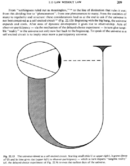
The PW logo symbol was drawn by site founder Josifikins but was later improved upon and animated by a user known as Shpongulate. The original concept however was created by the late theoretical physicist John Archibald Wheeler on page 209 of his 1983 paper law withoutlaw. This symbol exists to serve as a visual representation of the most profound subjective effect component found within the entirety of the hallucinogenic experience which is known as a state of unity and interconnectedness. The eye represents the self and the line directly opposite represents that which it is perceiving within the "external" environment. The two sections are connected into each other via arrows to demonstrate that it is a singular and unified system.
Logo variations
Full size
Stare with text
Stare without text
Blink with text
Blink without text
Stoned with text
Stoned without text
Original depiction
Contributors
The PsychonautWiki project is run by a small team of extremely dedicated individuals each of which are mutually dependent upon the skills of one another and contribute their own specific and essential field of expertise. These are listed below in alphabetical order:
Caboose - In charge of assisting with general subjective effect documentation as well as content production, quality control and user moderation.
Cocoanatta - In charge of technical server operation, coding, website progression and maintenance, formal documentation, description and organization of PW's categorized subjective effects, and the overall development of psychonautics into an established field of science as well as general content production across the website.
DemFractalsYo - In charge of providing factual/accurate scientific information regarding the physical mechanisms behind the actions of psychoactive drugs, including but not limited to chemistry, pharmacology and neuroscience.
Josifikins - The original founder of PW and DEIS. In charge of the formal documentation, description and organization of PW's categorized subjective effects, general content production across the website and the overall development of psychonautics into an established field of science. This can be read about as a person within this community reddit interview found here.
Oscarette - In charge of editorial work such as grammar checking, quality control and editing as well as the formal documentation, description and organization of PW's categorized subjective effects, general content production across the website and the overall development of psychonautics into an established field of science.
PJosepherum - In charge of tripping absolute face, maintaining the server integrity, development and implementation of MediaWiki mods, content organisation and production, quality control, user moderation, et. cetera.
Replicatosaurus - In charge of the replication of the consistent subjective visual effects found within the hallucinogenic experience through the use of photography and image/video editing. Her work can be read about within this Huffington Post interview here.
Surgeon - In charge of semantics, managing templates, managing translations in all languages, translating the information found on PW in french as well as content production, quality control and user moderation.
N,N-Dimethyltryptamine (DMT or N,N-DMT) is a psychedelic compound of the tryptamine family. Its presence is widespread throughout the plant kingdom.[3][4] DMT occurs in trace amounts in mammals, including humans, where it putatively functions as a trace amineneurotransmitter/neuromodulator.[5] It is originally derived from the essential amino acidtryptophan and ultimately produced by the enzyme INMT during normal metabolism.[6] The significance of its widespread natural presence remains undetermined. DMT is structurally analogous to the neurotransmitterserotonin (5-HT) and the hormonemelatonin, and furthermore functionally analogous to other psychedelic tryptamines, such as 5-MeO-DMT, bufotenin, psilocin, and psilocybin.
When ingested, DMT acts as a psychedelic drug.[7] Depending on the dose and method of administration, its subjective effects can range from short-lived milder psychedelic states to powerful immersive experiences; these are often described as a total loss of connection to external reality and an experience of encountering indescribable spiritual/alien realms.[8] Indigenous Amazonian Amerindian cultures consume DMT as the primary psychoactive in ayahuasca, a shamanistic brew used for divinatory and healing purposes. Pharmacologically, ayahuasca combines DMT with an MAOI, an enzyme inhibitor that allows DMT to be orally active.[9]
DMT was first synthesized in 1931 by Canadian chemist Richard Helmuth Fredrick Manske (1901–1977).[10][11] Its discovery as a natural product is generally credited to Brazilian chemist and microbiologist Oswaldo Gonçalves de Lima (1908–1989) who, in 1946, isolated an alkaloid he named nigerina (nigerine) from the root bark of jurema preta, that is, Mimosa tenuiflora.[11][12][13] However, in a careful review of the case Jonathan Ott shows that the empirical formula for nigerine determined by Gonçalves de Lima, which notably contains an atom of oxygen, can only match a partial, "impure" or "contaminated" form of DMT.[14] It was only in 1959, when Gonçalves de Lima provided American chemists a sample of Mimosa tenuiflora roots, that DMT was unequivocally identified in this plant material.[14][15] Less ambiguous is the case of isolation and formal identification of DMT in 1955 in seeds and pods of Anadenanthera peregrina by a team of American chemists led by Evan Horning (1916–1993).[14][16] Since 1955 DMT has been found in a host of organisms: in at least fifty plant species belonging to ten families,[3] and in at least four animal species, including one gorgonian[17] and three mammalian species.
Another historical milestone is the discovery of DMT in plants frequently used by Amazonian natives as additive to the vine Banisteriopsis caapi to make ayahuasca decoctions. In 1957, American chemists Francis Hochstein and Anita Paradies identified DMT in an "aqueous extract" of leaves of a plant they named Prestonia amazonicum (sic) and described as "commonly mixed" with B. caapi.[18] The lack of a proper botanical identification of Prestonia amazonica in this study led American ethnobotanistRichard Evans Schultes (1915–2001) and other scientists to raise serious doubts about the claimed plant identity.[19][20] A better evidence is produced in 1965 by French pharmacologist Jacques Poisson who isolated DMT as sole alkaloid from leaves, provided and used by Aguaruna Indians, identified as pertaining to the vine Diplopterys cabrerana (then known as Banisteriopsis rusbyana).[20] Published in 1970, the first identification of DMT in the other commonly used additive[clarification needed] plant Psychotria viridis[12] was made by a team of American researchers led by pharmacologist Ara der Marderosian.[21] Not only did they detect DMT in leaves of P. viridis obtained from Cashinahua Indians, but they also were the first to identify it in a sample of an ayahuasca decoction, prepared by the same Indians.[12]
Published in Science in 1961, Julius Axelrod found an N-methyltransferase enzyme capable of mediating biotransformation of tryptamine into DMT in a rabbit's lung.[22] This finding initiated a still ongoing scientific interest in endogenous DMT production in humans and other mammals.[23][28] From then on, two major complementary lines of evidence have been investigated: localization and further characterization of the N-methyltransferase enzyme, and analytical studies looking for endogenously produced DMT in body fluids and tissues.[23]
In 2013, researchers first reported DMT in the pineal gland microdialysate of rodents.[29]
Before techniques of molecular biology were used to localize indolethylamine N-methyltransferase (INMT),[25][27] characterization and localization went on a par: samples of the biological material where INMT is hypothesized to be active are subject to enzyme assay. Those enzyme assays are performed either with a radiolabeled methyl donor like (14C-CH3)SAM to which known amounts of unlabeled substrates like tryptamine are added,[23] or with addition of a radiolabeled substrate like (14C)NMT to demonstrate in vivo formation.[6][26] As qualitative determination of the radioactively tagged product of the enzymatic reaction is sufficient to characterize INMT existence and activity (or lack of), analytical methods used in INMT assays aren't required to be as sensitive as those needed to directly detect and quantify the minute amounts of endogenously formed DMT (see DMT subsection below). The essentially qualitative method thin layer chromatography (TLC) was thus used in a vast majority of studies.[23] Also, robust evidence that INMT can catalyze transmethylation of tryptamine into NMT and DMT could be provided with reverse isotope dilution analysis coupled to mass spectrometry for rabbit[30][31] and human[32] lung during the early 1970s.
Selectivity rather than sensitivity proved to be an Achilles’ heel for some TLC methods with the discovery in 1974–1975 that incubating rat blood cells or brain tissue with (14C-CH3)SAM and NMT as substrate mostly yields tetrahydro-β-carboline derivatives,[6][23][33] and negligible amounts of DMT in brain tissue.[23] It is indeed simultaneously realized that the TLC methods used thus far in almost all published studies on INMT and DMT biosynthesis are incapable to resolve DMT from those tetrahydro-β-carbolines.[23] These findings are a blow for all previous claims of evidence of INMT activity and DMT biosynthesis in avian[34] and mammalian brain,[35][36] including in vivo,[37][38] as they all relied upon use of the problematic TLC methods:[23] their validity is doubted in replication studies that make use of improved TLC methods, and fail to evidence DMT-producing INMT activity in rat and human brain tissues.[39][40] Published in 1978, the last study attempting to evidence in vivo INMT activity and DMT production in brain (rat) with TLC methods finds biotransformation of radiolabeled tryptamine into DMT to be real but "insignificant".[41] Capability of the method used in this latter study to resolve DMT from tetrahydro-β-carbolines is questioned later.[6] To localize INMT, a qualitative leap is accomplished with use of modern techniques of molecular biology, and of immunohistochemistry. In humans, a gene encoding INMT is determined to be located on chromosome 7.[27]Northern blot analyses reveal INMT messenger RNA (mRNA) to be highly expressed in rabbit lung,[25] and in human thyroid, adrenal gland, and lung.[27][42] Intermediate levels of expression are found in human heart, skeletal muscle, trachea, stomach, small intestine, pancreas, testis, prostate, placenta, lymph node, and spinal cord.[27][42] Low to very low levels of expression are noted in rabbit brain,[27] and human thymus, liver, spleen, kidney, colon, ovary, and bone marrow.[27][42] INMT mRNA expression is absent in human peripheral blood leukocytes, whole brain, and in tissue from 7 specific brain regions (thalamus, subthalamic nucleus, caudate nucleus, hippocampus, amygdala, substantia nigra, and corpus callosum).[27][42]Immunohistochemistry showed INMT to be present in large amounts in glandular epithelial cells of small and large intestines, and to be absent in neurons.[28]
The first claimed detection of mammalian endogenous DMT was published in June 1965: German researchers F. Franzen and H. Gross report to have evidenced and quantified DMT, along with its structural analog bufotenin (5-OH-DMT), in human blood and urine.[43] In an article published four months later, the method used in their study is strongly criticized, and credibility of their results challenged.[44]
A 2013 study found DMT in microdialysate obtained from a rat's pineal gland, providing evidence of endogenous DMT in the mammalian brain.[29]
In 2001, surveys, made in research articles, point that few of the analytical methods previously used to measure levels of endogenously formed DMT had enough sensitivity and selectivity to produce reliable results.[45][46]Gas chromatography, preferably coupled to mass spectrometry (GC-MS), is considered a minimum requirement.[46] A study published in 2005[28] implements the most sensitive and selective method ever used to measure endogenous DMT:[47]liquid chromatography-tandem mass spectrometry with electrospray ionization (LC-ESI-MS/MS) allows to reach limits of detection (LODs) 12 to 200 fold lower (that is, better) than those attained by the best methods employed in the 1970s. The data summarized in the table below are from studies conforming to the abovementioned requirements (abbreviations used: CSF = cerebrospinal fluid; LOD = limit of detection; n = number of samples; ng/L and ng/kg = nanograms (10−9 g) per litre, and nanograms per kilogram, respectively):
DMT in body fluids and tissues (NB: units have been harmonized)
DMT is commonly handled and stored as a fumarate,[citation needed] as other DMT acid salts are generally very hygroscopic and will not readily crystallize. Its freebase form, although less stable than DMT fumarate, is favored by recreational users choosing to vaporize the chemical because it has a lower boiling point.[citation needed] In contrast to DMT's base, its salts are water-soluble. DMT in solution degrades relatively quickly and should be stored protected from air, light, and heat in a freezer.[citation needed]
DMT peak level concentrations (Cmax) measured in whole blood after intramuscular (IM) injection (0.7 mg/kg, n = 11)[53] and in plasma following intravenous (IV) administration (0.4 mg/kg, n = 10)[54] of fully psychedelic doses are in the range of ≈14 to 154 μg/L and 32 to 204 μg/L, respectively. The corresponding molar concentrations of DMT are therefore in the range of 0.074–0.818 µM in whole blood and 0.170–1.08 µM in plasma. However, several studies have described active transport and accumulation of DMT into rat and dog brain following peripheral administration.[55][56][57][58][59] Similar active transport, and accumulation processes likely occur in human brain and may concentrate DMT in brain by several-fold or more (relatively to blood), resulting in local concentrations in the micromolar or higher range. Such concentrations would be commensurate with serotonin brain tissue concentrations which have been consistently determined to be in the 1.5-4 μM range.[60][61]
Closely coextending with peak psychedelic effects, mean time to reach peak concentrations (Tmax) was determined to be 10–15 minutes in whole blood after IM injection,[53] and 2 minutes in plasma after IV administration.[54] When taken orally mixed in an ayahuasca decoction, and in freeze-dried ayahuasca gel caps, DMT Tmax is considerably delayed: 107.59 ± 32.5 minutes,[62] and 90–120 minutes,[63] respectively. The pharmacokinetics for vaporizing DMT have not been studied or reported.
DMT binds non-selectively with affinities < 0.6 μM to the following serotonin receptors: 5-HT1A,[64][65][66]5-HT1B,[64][67]5-HT1D,[64][66][67]5-HT2A,[64][66][67][68]5-HT2B,[64][67]5-HT2C,[64][67][68]5-HT6,[64][67] and 5-HT7.[64][67] An agonist action has been determined at 5-HT1A,[65] 5-HT2A and 5-HT2C.[64][67][68] Its efficacies at other serotonin receptors remain to be determined. Of special interest will be the determination of its efficacy at human 5-HT2B receptor as two in vitro assays evidenced DMT high affinity for this receptor: 0.108 μM[67] and 0.184 μM.[64] This may be of importance because chronic or frequent uses of serotonergic drugs showing preferential high affinity and clear agonism at 5-HT2B receptor have been causally linked to valvular heart disease.[69][70][71]
It has also been shown to possess affinity for the dopamineD1, α1-adrenergic, α2-adrenergic, imidazoline-1, sigma-1 (σ1), and trace amine-associatedreceptors.[5][66][67] Agonism was demonstrated at 1 μM at the rat trace amine-associated receptor 1 (TAAR1)[72] and converging lines of evidence established activation of the σ1 receptor at concentrations of 50–100 μM.[73] Its efficacies at the other receptor binding sites are unclear. It has also been shown in vitro to be a substrate for the cell-surface serotonin transporter (SERT) and the intracellular vesicular monoamine transporter 2 (VMAT2), inhibiting SERT-mediated serotonin uptake in human platelets at an average concentration of 4.00 ± 0.70 μM and VMAT2-mediated serotonin uptake in vesicles (of army worm Sf9 cells) expressing rat VMAT-2 at an average concentration of 93 ± 6.8 μM.[74]
As with other so-called "classical hallucinogens",[75] a large part of DMT psychedelic effects can be attributed to a functionally selective activation of the 5-HT2A receptor.[54][64][76][77][78][79][80] DMT concentrations eliciting 50% of its maximal effect (half maximal effective concentration = EC50 or Kact) at the human 5-HT2A receptor in vitro are in the 0.118–0.983 μM range.[64][67][68][81] This range of values coincides well with the range of concentrations measured in blood and plasma after administration of a fully psychedelic dose (see Pharmacokinetics).
As DMT has been shown to have slightly better efficacy (EC50) at human serotonin 2C receptor than at 2A receptor,[67][68] 5-HT2C highly likely also is implicated in DMT's overall effects.[77][82] Other receptors, such as 5-HT1A[66][77][79] σ1,[73][83] and TAAR1[72][84][85] may also play a role.
In 2009 it was hypothesized that DMT may be an endogenous ligand for the σ1 receptor.[73][83] The concentration of DMT needed for σ1 activation in vitro (50–100 μM) is similar to the behaviorally active concentration measured in mouse brain of approximately 106 μM [86] This is minimally 4 orders of magnitude (104) higher than the average concentrations measured in rat brain tissue or human plasma under basal conditions (see Endogenous DMT), so σ1 receptors are likely to be activated only under conditions of high local DMT concentrations. If DMT is stored in synaptic vesicles,[74] such concentrations might occur during vesicular release. To illustrate, while the average concentration of serotonin in brain tissue is in the 1.5-4 μM range,[60][61] the concentration of serotonin in synaptic vesicles was measured at 270 mM.[87] Following vesicular release, the resulting concentration of serotonin in the synaptic cleft, to which serotonin receptors are exposed, is estimated to be about 300 μM. Thus, while in vitro receptor binding affinities, efficacies, and average concentrations in tissue or plasma are useful, they are not likely to predict DMT concentrations in the vesicles or at synaptic or intracellular receptors. Under these conditions, notions of receptor selectivity are moot, and it seems probable that most of the receptors identified as targets for DMT (see above) participate in producing its psychedelic effects.
"So I did it and...there was a something, like a flower, like a chrysanthemum in orange and yellow that was sort of spinning, spinning, and then it was like I was pushed from behind and I fell through the chrysanthemum into another place that didn't seem like a state of mind, it seemed like another place. And what was going on in this place aside from the tastefully soffited indirect lighting, and the crawling geometric hallucinations along the domed walls, what was happening was that there were a lot of beings in there, what I call self-transforming machine elves. Sort of like jewelled basketballs all dribbling their way toward me. And if they'd had faces they would have been grinning, but they didn't have faces. And they assured me that they loved me and they told me not to be amazed; not to give way to astonishment."
DMT is produced naturally in many species of plants often in conjunction with its close chemical relatives 5-MeO-DMT and bufotenin (5-OH-DMT).[89] DMT-containing plants are commonly used in South American Shamanic practices. It is usually one of the main active constituents of the drink ayahuasca,[90][91] however ayahuasca is sometimes brewed with plants which don't produce DMT. It occurs as the primary psychoactive alkaloid in several plants including Mimosa tenuiflora, Diplopterys cabrerana, and Psychotria viridis. DMT is found as a minor alkaloid in snuff made from Virola bark resin in which 5-MeO-DMT is the main active alkaloid.[89] DMT is also found as a minor alkaloid in bark, pods, and beans of Anadenanthera peregrina and Anadenanthera colubrina used to make Yopo and Vilca snuff in which bufotenin is the main active alkaloid.[89][92]Psilocin, an active chemical in many psychedelic mushrooms, is structurally similar to DMT.
The psychotropic effects of DMT were first studied scientifically by the Hungarian chemist and psychologist Dr. Stephen Szára who performed research with volunteers in the mid-1950s. Szára, who later worked for the US National Institutes of Health, had turned his attention to DMT after his order for LSD from the Swiss company Sandoz Laboratories was rejected on the grounds that the powerful psychotropic could be dangerous in the hands of a communist country.[13]
DMT during various stages of purification
DMT can produce powerful psychedelic experiences including intense visuals, euphoria and hallucinations.[8] DMT is generally not active orally unless it is combined with a monoamine oxidase inhibitor (MAOI) such as a reversible inhibitor of monoamine oxidase A (RIMA), for example, harmaline.[9] Without an MAOI, the body quickly metabolizes orally administered DMT, and it therefore has no hallucinogenic effect unless the dose exceeds monoamine oxidase's metabolic capacity. Other means of ingestion such as vaporizing, injecting, or insufflating the drug can produce powerful hallucinations and entheogenic activity for a short time (usually less than half an hour), as the DMT reaches the brain before it can be metabolized by the body's natural monoamine oxidase. Taking a MAOI prior to vaporizing or injecting DMT prolongs and potentiates the effects.[8]
A standard dose for vaporized DMT is between 15–60 mg. This is generally inhaled in a few successive breaths. The effects last for a short period of time, usually 5 to 15 minutes, dependent on the dose. The onset after inhalation is very fast (less than 45 seconds) and peak effects are reached within a minute. In the 1960s, DMT was known as a "businessman's lunch" in the US because of the relatively short duration (and rapid onset) of action when inhaled.[93]
Insufflating DMT (commonly as a freebase or fumarate) requires a higher dose than inhalation. The duration is markedly increased, and some users report diminished euphoria but an intensified otherworldly experience. A dose of approximately 70 to 120 mg of insufflated DMT will induce medium to strong effects. If successful in containing this pain-inducing insufflation, the trip can last anywhere from 20 to 50 minutes, with undefinable peak(s).
Injected DMT produces an experience that is similar to inhalation in duration, intensity, and characteristics.
In a study conducted from 1990 through 1995, University of New Mexico psychiatrist Rick Strassman found that some volunteers injected with high doses of DMT reported experiences with perceived alien entities. Usually, the reported entities were experienced as the inhabitants of a perceived independent reality the subjects reported visiting while under the influence of DMT.[13] In a September 2009 interview with Examiner.com, Strassman described the effects on participants in the study: "Subjectively, the most interesting results were that high doses of DMT seemed to allow the consciousness of our volunteers to enter into non-corporeal, free-standing, independent realms of existence inhabited by beings of light who oftentimes were expecting the volunteers, and with whom the volunteers interacted. While 'typical' near-death and mystical states occurred, they were relatively rare."
DMT is broken down by the digestive enzyme monoamine oxidase through a process called deamination, and is therefore inactive if taken orally unless combined with a monoamine oxidase inhibitor (MAOI).[9] The traditional South American beverage ayahuasca, or yage, is derived by boiling the ayahuasca vine (Banisteriopsis caapi) with leaves of one or more plants containing DMT, such as Psychotria viridis, Psychotria carthagenensis, or Diplopterys cabrerana.[9] The Ayahuasca vine contains harmala alkaloids,[94] highly active reversible inihibitors of monoamine oxidase A (RIMAs),[95] rendering the DMT orally active by protecting it from deamination.[9] A variety of different recipes are used to make the brew depending on the purpose of the ayahuasca session,[96] or local availability of ingredients. Two common sources of DMT in the western US are reed canary grass (Phalaris arundinacea) and Harding grass (Phalaris aquatica). These invasive grasses contain low levels of DMT and other alkaloids. In addition, Jurema (Mimosa tenuiflora) shows evidence of DMT content: the pink layer in the inner rootbark of this small tree contains a high concentration of N,N-DMT.[citation needed]
Taken orally with an RIMA, DMT produces a long lasting (over 3 hour), slow, deep metaphysical experience similar to that of psilocybin mushrooms, but more intense.[7]RIMAs should be used with caution as they can have lethal complications with some prescription drugs such as SSRI antidepressants, and some over-the-counter drugs.[94]
Induced DMT experiences can include profound time-dilation, visual and auditory illusions, and other experiences that, by most firsthand accounts, defy verbal or visual description. Some users report intense erotic imagery and sensations and utilize the drug in a ritual sexual context.[7][97][98]
5-MeO-DMT, a psychedelic drug structurally similar to N,N-DMT, is sometimes referred to as DMT through abbreviation. As a white, crystalline solid, it is also similar in appearance to DMT. However, it is considerably more potent (5-MeO-DMT typical vaporized dose: 5–20 mg), and care should be taken to clearly differentiate between the two drugs to avoid accidental overdose.[99]
DMT may be quantitated in blood, plasma or urine using chromatographic techniques as a diagnostic tool in clinical poisoning situations or to aid in the medicolegal investigation of suspicious deaths. Blood or plasma DMT levels in recreational users of the drug are generally in the 10–30 μg/L range during the first several hours post-ingestion.[citation needed] Less than 0.1% of an oral dose is eliminated unchanged in the 24-hour urine of humans.[100][101]
According to a "Dose-response study of N,N-dimethyltryptamine in humans" by Rick Strassman, "Dimethyltryptamine dose slightly elevated blood pressure, heart rate, pupil diameter, and rectal temperature, in addition to elevating blood concentrations of beta-endorphin, corticotropin, cortisol, and prolactin. Growth hormone blood levels rose equally in response to all doses of DMT, and melatonin levels were unaffected."[54]
Several speculative and yet untested hypotheses suggest that endogenous DMT is produced in the human brain and is involved in certain psychological and neurological states. DMT is naturally occurring in small amounts in rat brain, human cerebrospinal fluid, and other tissues of humans and other mammals.[28][51][52][102] A biochemical mechanism for this was proposed by the medical researcher J. C. Callaway, who suggested in 1988 that DMT might be connected with visual dream phenomena: brain DMT levels would be periodically elevated to induce visual dreaming and possibly other natural states of mind.[103] A new hypothesis proposed is that in addition to being involved in altered states of consciousness, endogenous DMT may be involved in the creation of normal waking states of consciousness. It is proposed that DMT and other endogenous hallucinogens mediate their neurological abilities by acting as neurotransmitters at a sub class of the trace amine receptors; a group of receptors found in the CNS where DMT and other hallucinogens have been shown to have activity. Wallach further proposes that in this way waking consciousness can be thought of as a controlled psychedelic experience. It is when the control of these systems becomes loosened and their behavior no longer correlates with the external world that the altered states arise.[84]
Dr. Rick Strassman, while conducting DMT research in the 1990s at the University of New Mexico, advanced the controversial hypothesis that a massive release of DMT from the pineal gland prior to death or near death was the cause of the near death experience (NDE) phenomenon. Several of his test subjects reported NDE-like audio or visual hallucinations. His explanation for this was the possible lack of panic involved in the clinical setting and possible dosage differences between those administered and those encountered in actual NDE cases. Several subjects also reported contact with "other beings", alien like, insectoid or reptilian in nature, in highly advanced technological environments[13] where the subjects were "carried", "probed", "tested", "manipulated", "dismembered", "taught", "loved" and even "raped" by these "beings". Basing his reasoning on his belief that all the enzymatic material needed to produce DMT is found in the pineal gland (see evidence in mammals), and moreover in substantially greater concentrations than in any other part of the body, Strassman ([13] p. 69) has speculated that DMT is made in the pineal gland. Currently there is no published reliable scientific evidence supporting this hypothesis.
In the 1950s, the endogenous production of psychoactive agents was considered to be a potential explanation for the hallucinatory symptoms of some psychiatric diseases as the transmethylation hypothesis[104] (see also adrenochrome), though this hypothesis does not account for the natural presence of endogenous DMT in otherwise normal humans, rats and other laboratory animals.
In 2011, Nicholas V. Cozzi, of the University of Wisconsin School of Medicine and Public Health, concluded that INMT, an enzyme that may be associated with the biosynthesis of DMT and endogenous hallucinogens, is present in the primate (rhesus macaque) pineal gland, retinal ganglion neurons, and spinal cord.[105] In August 2012, Steven Barker, Ethan McIlHenny, and Rick Strassman, developed a new method to measure the three known endogenous hallucinogens and their major N-oxide metabolites in blood, urine, cerebrospinal fluid, ocular fluid and/or other tissues by using state-of-the-art liquid chromatography-mass spectrometry (LC/MS) equipment. For the first time in history, they were able to detect the DMT-N-oxide metabolite in blood and urine.[106]
DMT is classified as a Schedule I drug under the UN 1971 Convention on Psychotropic Substances, meaning that use of DMT is supposed to be restricted to scientific research and medical use and international trade in DMT is supposed to be closely monitored. Natural materials containing DMT, including ayahuasca, are explicitly not regulated under the 1971 Psychotropic Convention.[107]
Between 2011 and 2012, the Australian Federal Government was considering changes to the Australian Criminal Code that would classify any plants containing any amount of DMT as "controlled plants".[108] DMT itself was already controlled under current laws. The proposed changes included other similar blanket bans for other substances, such as a ban on any and all plants containing Mescaline or Ephedrine. The proposal was not pursued after political embarrassment on realisation that this would make Australia's national flower, Acacia pycnantha (Golden Wattle), illegal. The Therapeutic Goods Administration and federal authority had considered a motion to ban the same, but this was withdrawn in May 2012 (as DMT may still hold potential entheogenic value to native and/or religious peoples).[109]
DMT is classified in the United States as a Schedule I drug under the Controlled Substances Act of 1970.
In December 2004, the Supreme Court lifted a stay, thereby allowing the Brazil-based União do Vegetal (UDV) church to use a decoction containing DMT in their Christmas services that year. This decoction is a tea made from boiled leaves and vines, known as hoasca within the UDV, and ayahuasca in different cultures. In Gonzales v. O Centro Espirita Beneficente Uniao do Vegetal, the Supreme Court heard arguments on November 1, 2005, and unanimously ruled in February 2006 that the U.S. federal government must allow the UDV to import and consume the tea for religious ceremonies under the 1993 Religious Freedom Restoration Act.
In September 2008, the three Santo Daime churches filed suit in federal court to gain legal status to import DMT-containing ayahuasca tea. The case, Church of the Holy Light of the Queen v. Mukasey,[112] presided over by Judge Owen M. Panner, was ruled in favor of the Santo Daime church. As of March 21, 2009, a federal judge says members of the church in Ashland can import, distribute and brew ayahuasca. U.S. District Judge Owen Panner issued a permanent injunction barring the government from prohibiting or penalizing the sacramental use of "Daime tea". Panner's order said activities of The Church of the Holy Light of the Queen are legal and protected under freedom of religion. His order prohibits the federal government from interfering with and prosecuting church members who follow a list of regulations set out in his order.[113]
In South America, there are a number of indigenous traditions and more recent religious movements based on the use of ayahuasca, usually in an animistic context that may be mixed with Christian imagery. There are three main groups using DMT-MAOI based sacraments in South America.
There are many indigenous cultures in South America, mostly in the Upper Amazon Basin whose traditional religious practices include the use of ayahuasca. These are the oldest cultures in the whole of South America that continue to use ayahuasca or analogue brews, such as the ones made from Jurema in the Pernambuco, near Recife or Iquitos in Peru.
Santo Daime ("Holy Give Unto Me") and Barquinha ("Little Boat")
A syncretic religion from Brazil. The former was founded by Raimundo Irineu Serra in the early 1930s, as an esoteric Christian religion with shamanic tendencies. The Barquinha was derived from this one. The Santo Daime also includes children in their Entheogenic rituals; studies done by the Brazilian government concluded that there were no physical or mental damage caused by this practice, so it is allowed.
DMT was the subject of a 2010 American documentary titled DMT: The Spirit Molecule.[114] DMT was one of the psychedelic drugs used in the 2009 French movie, titled Enter The Void.[115]
Jump up ^Häfelinger, G.; Nimtz, M.; Horstmann, V.; Benz, T. (1999). "Untersuchungen zur Trifluoracetylierung der Methylderivate von Tryptamin und Serotonin mit verschiedenen Derivatisierungsreagentien: Synthesen, Spektroskopie sowie analytische Trennungen mittels Kapillar-GC" [Trifluoracetylation of methylated derivatives of tryptamine and serotonin by different reagents: synthesis, spectroscopic characterizations, and separations by capillary-gas-chromatography]. Zeitschrift für Naturforschung B54 (3): 397–414.
^ Jump up to: abcdeMcKenna, Dennis J.; Towers, G.H.N.; Abbott, F. (April 1984). "Monoamine oxidase inhibitors in South American hallucinogenic plants: tryptamine and β-carboline constituents of ayahuasca". Journal of Ethnopharmacology10 (2): 195–223. doi:10.1016/0378-8741(84)90003-5. ISSN0378-8741. PMID6587171.Cite uses deprecated parameters (help)
Jump up ^Pachter I.J., Zacharias D.E., Ribeiro O. (September 1959). "Indole alkaloids of Acer saccharinum (the silver maple), Dictyoloma incanescens, Piptadenia colubrina, and Mimosa hostilis". Journal of Organic Chemistry24 (9): 1285–87. doi:10.1021/jo01091a032.Cite uses deprecated parameters (help)
Jump up ^Fish M.S., Johnson N.M., Horning E.C. (November 1955). "Piptadenia alkaloids. Indole bases of P. peregrina (L.) Benth. and related species". Journal of the American Chemical Society72 (22): 5892–95. doi:10.1021/ja01627a034.Cite uses deprecated parameters (help)
Jump up ^Cimino G., De Stefano S. (1978). "Chemistry of Mediterranean gorgonians: simple indole derivatives from Paramuricea chamaeleon". Comparative Biochemistry and Physiology Part C: Comparative Pharmacology61 (2): 361–2. doi:10.1016/0306-4492(78)90070-9.
^ Jump up to: abPoisson J. (April 1965). "Note sur le "Natem", boisson toxique péruvienne et ses alcaloïdes" [Note on "Natem", a toxic Peruvian beverage, and its alkaloids]. Annales Pharmaceutiques Françaises (in French) 23: 241–4. ISSN0003-4509. PMID14337385.Cite uses deprecated parameters (help)
Jump up ^Der Marderosian A.H., Kensinger K.M., Chao J.-M., Goldstein F.J. (1970). "The use and hallucinatory principles of a psychoactive beverage of the Cashinahua tribe (Amazon basin)". Drug Dependence5: 7–14. ISSN0070-7368. OCLC1566975.
^ Jump up to: abMandel L.R., Prasad R., Lopez-Ramos B., Walker R.W. (January 1977). "The biosynthesis of dimethyltryptamine in vivo". Research Communications in Chemical Pathology and Pharmacology16 (1): 47–58. PMID14361.Cite uses deprecated parameters (help)
^ Jump up to: abcdefghijklmnoKärkkäinen J., Forsström T., Tornaeus J., Wähälä K., Kiuru P., Honkanen A., Stenman U.-H., Turpeinen U., Hesso A. (April 2005). "Potentially hallucinogenic 5-hydroxytryptamine receptor ligands bufotenine and dimethyltryptamine in blood and tissues". Scandinavian Journal of Clinical and Laboratory Investigation65 (3): 189–199. doi:10.1080/00365510510013604. PMID16095048.Cite uses deprecated parameters (help)
^ Jump up to: abBarker SA, Borjigin J, Lomnicka I, Strassman R (Jul 2013). "LC/MS/MS analysis of the endogenous dimethyltryptamine hallucinogens, their precursors, and major metabolites in rat pineal gland microdialysate". Biomed Chromatogr. doi:10.1002/bmc.2981. PMID23881860.Cite uses deprecated parameters (help)
Jump up ^Mandel L.R., Rosenzweig S., Kuehl F.A. (March 1971). "Purification and substrate specificity of indoleamine-N-methyl transferase". Biochemical Pharmacology20 (3): 712–6. doi:10.1016/0006-2952(71)90158-4. PMID5150167.Cite uses deprecated parameters (help)
Jump up ^Lin R.-L., Narasimhachari N. (June 1975). "N-methylation of 1-methyltryptamines by indolethylamine N-methyltransferase". Biochemical Pharmacology24 (11–12): 1239–40. doi:10.1016/0006-2952(75)90071-4. PMID1056183.Cite uses deprecated parameters (help)
Jump up ^Mandel L.R., Ahn H.S., VandenHeuvel W.J. (April 1972). "Indoleamine-N-methyl transferase in human lung". Biochemical Pharmacology21 (8): 1197–200. doi:10.1016/0006-2952(72)90113-X. PMID5034200.Cite uses deprecated parameters (help)
Jump up ^Rosengarten H., Meller E., Friedhoff A.J. (1976). "Possible source of error in studies of enzymatic formation of dimethyltryptamine". Journal of Psychiatric Research13 (1): 23–30. doi:10.1016/0022-3956(76)90006-6. PMID1067427.
Jump up ^Mandell A.J., Morgan M. (March 1971). "Indole(ethyl)amine N-methyltransferase in human brain". Nature: New Biology230 (11): 85–7. doi:10.1038/newbio230085a0. PMID5279043.Cite uses deprecated parameters (help)
Jump up ^Saavedra J.M., Coyle J.T., Axelrod J. (March 1973). "The distribution and properties of the nonspecific N-methyltransferase in brain". Journal of Neurochemistry20 (3): 743–52. doi:10.1111/j.1471-4159.1973.tb00035.x. PMID4703789.Cite uses deprecated parameters (help)
Jump up ^Wu P.H., Boulton A.A. (July 1973). "Distribution and metabolism of tryptamine in rat brain". Canadian Journal of Biochemistry51 (7): 1104–12. doi:10.1139/o73-144. PMID4725358.Cite uses deprecated parameters (help)
Jump up ^Boarder M.R., Rodnight R. (September 1976). "Tryptamine-N-methyltransferase activity in brain tissue: a re-examination". Brain Research114 (2): 359–64. doi:10.1016/0006-8993(76)90680-6. PMID963555.Cite uses deprecated parameters (help)
Jump up ^Gomes U.R., Neethling A.C., Shanley B.C. (September 1976). "Enzymatic N-methylation of indoleamines by mammalian brain: fact or artefact?". Journal of Neurochemistry27 (3): 701–5. doi:10.1111/j.1471-4159.1976.tb10397.x. PMID823298.Cite uses deprecated parameters (help)
Jump up ^Stramentinoli G., Baldessarini R.J. (October 1978). "Lack of enhancement of dimethyltryptamine formation in rat brain and rabbit lung in vivo by methionine or S-adenosylmethionine". Journal of Neurochemistry31 (4): 1015–20. doi:10.1111/j.1471-4159.1978.tb00141.x. PMID279646.Cite uses deprecated parameters (help)
Jump up ^Franzen F., Gross H. (June 1965). "Tryptamine, N,N-dimethyltryptamine, N,N-dimethyl-5-hydroxytryptamine and 5-methoxytryptamine in human blood and urine". Nature206 (988): 1052. doi:10.1038/2061052a0. PMID5839067. "After the elaboration of sufficiently selective and quantitative procedures, which are discussed elsewhere, we were able to study the occurrence of tryptamine, N,N-dimethyltryptamine, N,N-dimethyl-5-hydroxytryptamine and 5-hydroxytryptamine in normal human blood and urine. (...) In 11 of 37 probands N,N-dimethyltryptamine was demonstrated in blood (...). In the urine 42·95 ± 8·6 μg of dimethyltryptamine/24 h were excreted."Cite uses deprecated parameters (help)
Jump up ^Siegel M. (October 1965). "A sensitive method for the detection of N,N-dimethylserotonin (bufotenin) in urine; failure to demonstrate its presence in the urine of schizophrenic and normal subjects". Journal of Psychiatric Research3 (3): 205–11. doi:10.1016/0022-3956(65)90030-0. PMID5860629.Cite uses deprecated parameters (help)
Jump up ^Barker S.A., Littlefield-Chabaud M.A., David C. (February 2001). "Distribution of the hallucinogens N,N-dimethyltryptamine and 5-methoxy-N,N-dimethyltryptamine in rat brain following intraperitoneal injection: application of a new solid-phase extraction LC-APcI-MS-MS-isotope dilution method". Journal of Chromatography B751 (1): 37–47. doi:10.1016/S0378-4347(00)00442-4. PMID11232854.Cite uses deprecated parameters (help)
^ Jump up to: abcForsström T., Tuominen J., Karkkäinen J. (2001). "Determination of potentially hallucinogenic N-dimethylated indoleamines in human urine by HPLC/ESI-MS-MS". Scandinavian Journal of Clinical and Laboratory Investigation61 (7): 547–56. doi:10.1080/003655101753218319. PMID11763413.
Jump up ^Oon M.C., Rodnight R. (December 1977). "A gas chromatographic procedure for determining N, N-dimethyltryptamine and N-monomethyltryptamine in urine using a nitrogen detector". Biochemical Medicine18 (3): 410–9. doi:10.1016/0006-2944(77)90077-1. PMID271509.Cite uses deprecated parameters (help)
^ Jump up to: abSmythies J.R., Morin R.D., Brown G.B. (June 1979). "Identification of dimethyltryptamine and O-methylbufotenin in human cerebrospinal fluid by combined gas chromatography/mass spectrometry". Biological Psychiatry14 (3): 549–56. PMID289421.Cite uses deprecated parameters (help)
^ Jump up to: abChristian S.T., Harrison R., Quayle E., Pagel J., Monti J. (October 1977). "The in vitro identification of dimethyltryptamine (DMT) in mammalian brain and its characterization as a possible endogenous neuroregulatory agent". Biochemical Medicine18 (2): 164–83. doi:10.1016/0006-2944(77)90088-6. PMID20877.Cite uses deprecated parameters (help)
^ Jump up to: abcdStrassman R.J., Qualls C.R. (February 1994). "Dose-response study of N,N-dimethyltryptamine in humans. I. Neuroendocrine, autonomic, and cardiovascular effects". Archives of General Psychiatry51 (2): 85–97. doi:10.1001/archpsyc.1994.03950020009001. PMID8297216.Cite uses deprecated parameters (help)
Jump up ^Barker S.A., Beaton J.M., Christian S.T., Monti J.A., Morris P.E. (August 1982). "Comparison of the brain levels of N,N-dimethyltryptamine and α, α, β, β-tetradeutero-N-N-dimethyltryptamine following intraperitoneal injection. The in vivo kinetic isotope effect". Biochemical Pharmacology31 (15): 2513–6. doi:10.1016/0006-2952(82)90062-4. PMID6812592.Cite uses deprecated parameters (help)
Jump up ^Sangiah S., Gomez M.V., Domino E.F. (December 1979). "Accumulation of N,N-dimethyltryptamine in rat brain cortical slices". Biological Psychiatry14 (6): 925–36. PMID41604.Cite uses deprecated parameters (help)
Jump up ^Sitaram B.R., Lockett L., Talomsin R., Blackman G.L., McLeod W.R. (May 1987). "In vivo metabolism of 5-methoxy-N,N-dimethyltryptamine and N,N-dimethyltryptamine in the rat". Biochemical Pharmacology36 (9): 1509–12. doi:10.1016/0006-2952(87)90118-3. PMID3472526.Cite uses deprecated parameters (help)
Jump up ^Takahashi T., Takahashi K., Ido T., Yanai K., Iwata R., Ishiwata K., Nozoe S. (December 1985). "[11C]-labeling of indolealkylamine alkaloids and the comparative study of their tissue distributions". International Journal of Applied Radiation and Isotopes36 (12): 965–9. doi:10.1016/0020-708X(85)90257-1. PMID3866749.Cite uses deprecated parameters (help)
Jump up ^Roth B.L. (January 2007). "Drugs and valvular heart disease". New England Journal of Medicine356 (1): 6–9. doi:10.1056/NEJMp068265. PMID17202450.Cite uses deprecated parameters (help)
Jump up ^Jonathan D. Urban, William P. Clarke, Mark von Zastrow, David E. Nichols, Brian Kobilka, Harel Weinstein, Jonathan A. Javitch, Bryan L. Roth, Arthur Christopoulos, Patrick M. Sexton, Keith J. Miller, Michael Spedding and Richard B. Mailman (2006-06-27). "Functional Selectivity and Classical Concepts of Quantitative Pharmacology". JPET320 (1): 1–13. doi:10.1124/jpet.106.104463. PMID16803859.
Jump up ^Glennon, R.A. (1994). "Classical hallucinogens: an introductory overview". In Lin, G.C.; Glennon, R.A. Hallucinogens: An Update. NIDA Research Monograph Series 146. Rockville, MD: U.S. Dept. of Health and Human Services, Public Health Service, National Institutes of Health, National Institute on Drug Abuse. p. 4.
Jump up ^Glennon R.A., Titeler M., McKenney J.D. (December 1984). "Evidence for 5-HT2 involvement in the mechanism of action of hallucinogenic agents". Life Sciences35 (25): 2505–11. doi:10.1016/0024-3205(84)90436-3. PMID6513725.Cite uses deprecated parameters (help)
^ Jump up to: abWallach J.V. (January 2009). "Endogenous hallucinogens as ligands of the trace amine receptors: a possible role in sensory perception". Medical Hypotheses72 (1): 91–4. doi:10.1016/j.mehy.2008.07.052. PMID18805646.Cite uses deprecated parameters (help)
Jump up ^Morinan A., Collier J.G. (1981). "Effects of pargyline and SKF-525A on brain N,N-dimethyltryptamine concentrations and hyperactivity in mice". Psychopharmacology75 (2): 179–83. doi:10.1007/BF00432184. PMID6798607.
Jump up ^Alien Dreamtime a multimedia event recorded live. (27 February 1993)
^ Jump up to: abcTorres, Constantino Manuel; Repke, David B. (2006). Anadenanthera: Visionary Plant Of Ancient South America. Binghamton, NY: Haworth Herbal. pp. 107–122. ISBN978-0-7890-2642-2.
Jump up ^Rivier, Laurent; Lindgren, Jan-Erik (1972). ""Ayahuasca," the South American hallucinogenic drink: An ethnobotanical and chemical investigation". Economic Botany26 (2): 101–129. doi:10.1007/BF02860772. ISSN0013-0001.
Jump up ^McKenna, Dennis J.; Towers, G.H.N.; Abbott, F. (1984). "Monoamine oxidase inhibitors in South American hallucinogenic plants: Tryptamine and β-carboline constituents of Ayahuasca". Journal of Ethnopharmacology10 (2): 195–223. doi:10.1016/0378-8741(84)90003-5. ISSN0378-8741. PMID6587171.
Jump up ^Haroz, Rachel; Greenberg, Michael I. (November 2005). "Emerging Drugs of Abuse". Medical Clinics of North America (Philadelphia: Saunders) 89 (6): 1259–76. doi:10.1016/j.mcna.2005.06.008. ISSN0025-7125. OCLC610327022. PMID16227062. "Use of DMT was first encountered in the United States in the 1960s, when it was known as a “businessman's lunch” because of the rapid onset of action when smoked (2 to 5 minutes) and short duration of action (20 minutes to 1 hour)."Cite uses deprecated parameters (help)
Jump up ^Bergström, Mats; Westerberg, Göran; Långström, Bengt (1997). "11C-harmine as a tracer for monoamine oxidase A (MAO-A): In vitro and in vivo studies". Nuclear Medicine and Biology24 (4): 287–293. doi:10.1016/S0969-8051(97)00013-9. ISSN0969-8051. PMID9257326.
Jump up ^Callaway JC, Raymon LP, Hearn WL, et al. Quantitation of N,N-dimethyltryptamine and harmala alkaloids in human plasma after oral dosing with ayahuasca (1996). "Quantitation of N,N-dimethyltryptamine and harmala alkaloids in human plasma after oral dosing with ayahuasca". J. Anal. Toxicol.20 (6): 492–497. doi:10.1093/jat/20.6.492. PMID8889686.
Jump up ^R. Baselt, Disposition of Toxic Drugs and Chemicals in Man, 9th edition, Biomedical Publications, Seal Beach, CA, 2011, pp. 525–526.
Jump up ^Hoffer A., Osmond H., Smythies J. (January 1954). "Schizophrenia; a new approach. II. Result of a year's research". Journal of Mental Science100 (418): 29–45. doi:10.1192/bjp.100.418.29. PMID13152519.Cite uses deprecated parameters (help)
Jump up ^Church of the Holy Light of the Queen v. Mukasey (D. Ore. 2009) (“permanently enjoins Defendants from prohibiting or penalizing the sacramental use of Daime tea by Plaintiffs during Plaintiffs' religious ceremonies”). Text


 Full size
 Stare with text
 Stare without text
 Blink with text
 Blink without text
 Stoned with text
 Stoned without text
 Original depiction


